What I use as a Professional Photographer – Camera Gear
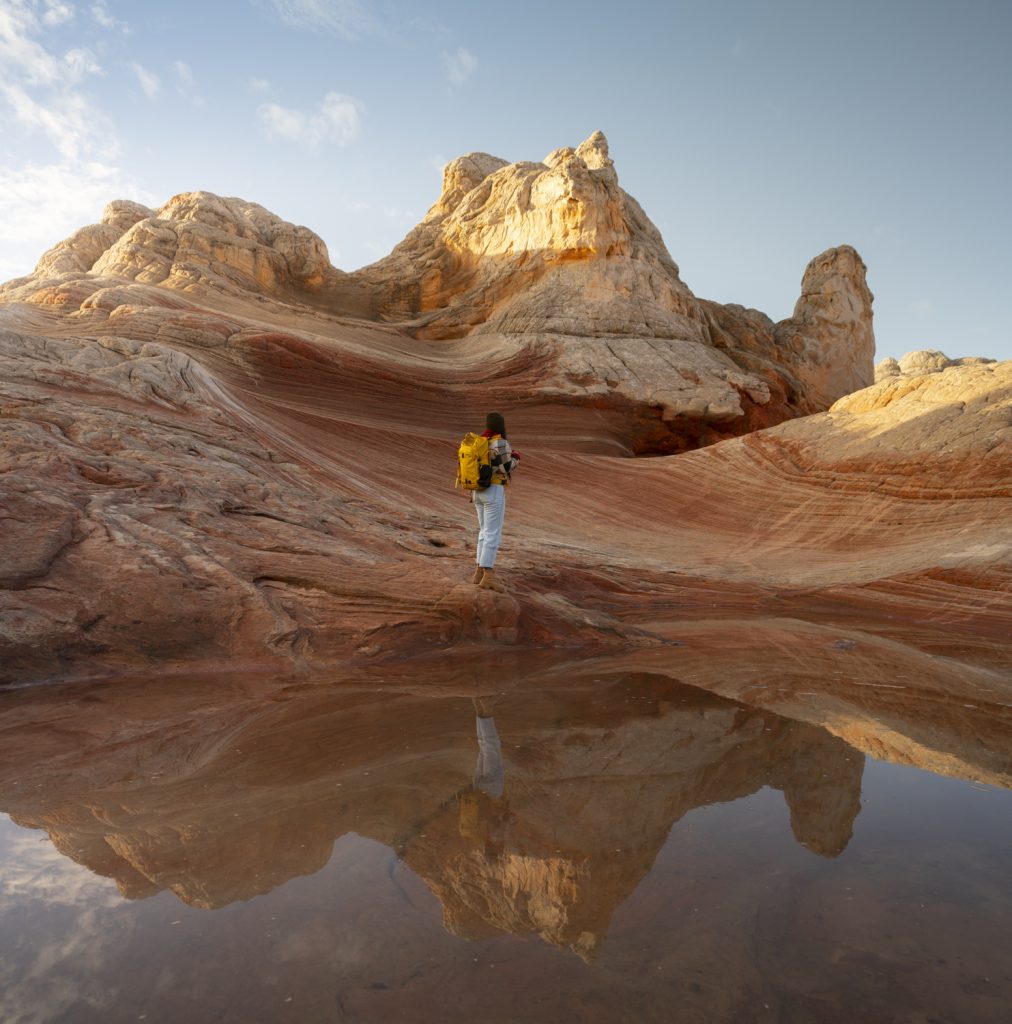
As a photographer and a content creator, there is a bottomless pit of decisions. I have spent hours doing research and $1000s of dollars buying the wrong thing before I found what works for me! I hope that my money and hours spent can help you find things to love as well. Here is my current gear setup and what I like about it :)
about the blog
Welcome to my photography blog, your comprehensive guide to mastering the art and science of photography. I’m Paige, ready to guide you on a journey of discovery, from capturing the perfect composition to deciphering the complexities of file formats and storage. This is where we will cover will include in-depth discussions on cameras, exploration of editing techniques, and a deep dive into photography’s fascinating world. Whether you’re a new enthusiast or an experienced photographer seeking to sharpen your skills, I’m committed to helping you elevate your craft to the next level. Welcome to your photography journey!
Subscribe For More!
Be the first to see the latest posts
Share This Post
Disclosure: Please be aware that some of the links in this post are affiliate links, and I may receive a commission if you make a purchase using those links. However, I only recommend products or services that I personally use or believe will be valuable to my readers. Affiliate links are a way for me to earn a small commission and keep providing you with high-quality content. If you have any questions or concerns, please feel free to contact me through my contact page. Thank you for your support!
Photography Backpack
Camera Bag
I’ve used several bags during my time and the one I currently have is my absolute favorite. It’s a the Shimoda Action X30 v2 Backpack – Yellow.
My favorite features:
- Amazing color options for both Men and Women
- Comfortable for hiking
- Tons of pockets/compartments
- Flex top for extra items
- Tons of sizes and ways to customize the inserts
- Easy to clean material
- Water resistant + Waterproof cover
- Dual laptop sleaves
Camera Recommendations
Camera Body
I currently use a Sony A7RV which is a full-frame mirrorless camera. This camera is a beast with over 61 megapixels and is the best camera I’ve used for landscape by far!
Why do I love it? I can blow my photos up to be on huge canvases without sacrificing quality to the picture. One of the printing companies I sent it to said it was one of the best files they see in terms of size and quality. The amount of data/layers within each RAW photo file allows for ease of control when editing or any type of post processing. As someone who is very picky, I’ve been happy with how things turn out.
I almost always have GoPro with me for action shots or sometimes just to make sure that I have a camera that I can take into intense situations such as swimming into a cave or repelling.
My favorite features:
- 61 Megapixel (9504 x 6336)
- Image Sensor - 35.7 x 23.8 mm (Full-Frame) CMOS
- 15 stops of dynamic range at low sensitivities (does really well in low light)
- A massive IOS range between 50-102,400
- Continuous shooting up to 10fps
- AF/AE Tracking
- Eye AF for Video and or when shooting photos (the autofocus in soooo good)
- Pixel shift can give you a photo file with up to 19008 x 12672 pixels
- 8k video recording
- High-Speed Wifi support
- Wireless PC remote connectivity
- 2 memory card slots
- And the list goes on!
Waterproof Action Camera with 5.3K HDR Video, 27MP Photos, 1/1.9" Image Sensor, Live Streaming, Webcam, Stabilization + 64GB Card & 50 Piece Accessory Kit - Bun...
Other Camera Recommendations
If you don’t see yourself printing your work but want something with a lot of those other features mentioned above, I’ve used both these cameras and love them as secondary options!
My thoughts:
Great with video and photos and will have a little smaller file sizes which is nice if you don’t see the need for 61 megapixels. Has many of the same features as my camera but with smaller files which can be nice if you don't plan on blowing up your photos huge. The smaller files will help you save on storage space.
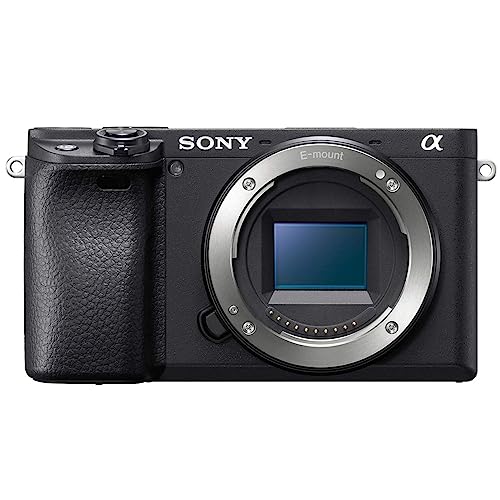
* Full-frame Mirrorless Interchangeable Lens Camera,Body Only , Black
Compact APS-C Interchangeable Lens Digital Camera with Real-Time Eye Auto Focus, 4K Video & Flip Up Touchscreen - E Mount Compatible Cameras - ILCE-6400/B Body
Lens Recommendations
Sony Lenses
Lenses are one of the more expensive parts of photography and make a huge difference how your photos and videos turn out.
I have what some people call “the holy trinity” of lenses which are 3 Sony Gmaster 2.8 lenses that give me a range from 16 – 200 mm. Most people won’t be buying multiple lenses at a time because they are an investment but it is so important to think ahead about what lenses you want so that each lens serves a different purpose for you. You don’t want to buy a lens that will become useless in a year or two. If you take care of your lenses, they will last you forever!
Consider the following questions when choosing your lenses:
What is the F stop range of the lens?
F stop (aperture) usually ranges anywhere from f/1.4 (the lens lets in lots of light, useful in low lighting) to f/22 (letting in less light). The lower your “F” number is, the price of the lens will typically go up. Lower F stop will also allow you a more shallow depth of field, meaning a smaller portion of the photo is in focus. This is how you create that really professional portrait look where the subject is focused while the background is blurred. It’s also very useful to create a Bokeh effect in landscape photos.
Ultimately it’s up to you on what you want, for me f/2.8 is typically as low as I need for most shooting conditions.
What is the Focal Length do you want?
Focal length is measured in mm and the majority of lenses will fall somewhere between 12mm and 600mm.
12mm being very wide and 600mm being very zoomed in.
I use GM lenses because these really are the best lenses you can buy for Sony! They will hold their value and last you forever if you treat them well. They are incredibly sharp and I’ve been so satisfied with the quality.
Here are my 3 lenses:
16-35mm Zoom
24-70 mm Zoom
70-200mm Zoom
As you can see, this gives me a range from 16 mm all the to 200 mm (the holy trinity lol). This range covers about 95% of what I need while shooting. It’s rare for me to want something wider or something that zooms more than 200mm. If those situations come up, I may just try to rent something.
These are my next lenses I plan to buy!
My thoughts: Tamron 35-150mm
Favorite Travel lens – I just took this lens to Europe and I’m obsessed! It’s great for hiking or traveling if you don’t want to lug around all your lenses. If you’re curious about what else I pack for outdoor shoots, check out my go-to hiking and backpacking gear.
My thoughts: Sony 12 – 24mm
Super Wide – I definitely run into situations where I would love to have something this wide. Situations like shooting a big waterfall or a large mountain. One con of this lens is the limited use of filters.
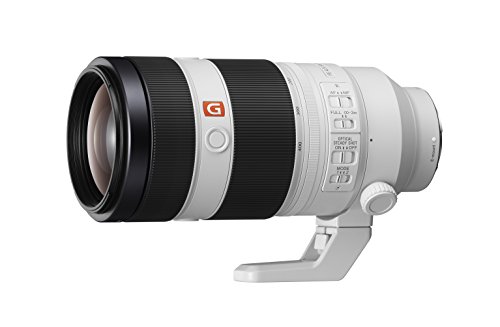
My thoughts: Sony 100-400mm
Whenever I’m shooting wild life I wish I had something with more zoom. I’ve played with the idea of getting this lens many times. Every time I use it, the extra zoom gives an entirely different look! If I decide to change up my lenses I may have to grab this one.
Read next: How to Use a Wide-Angle Lens for Landscape Photography
Drones & Accessories
Drone Gear
For someone who used to hate flying my drone, I have absolutely loved the DJI Mini 3 Pro. It is so simple and easy to fly. Having the ability to shoot vertical video is also a game changer in the growing game of social media videos. For how much I travel I was looking for something super small but still capable enough to get what I need. This is one of my favorite purchases!
Let’s be honest though, the 4 is out, and it’s even better. I’ll include both links!
Mini Drone with 4K Video, 48MP Photo, 34 Mins Flight Time, Less than 249 g, Obstacle Sensing, Return to Home, FAA Remote ID Compliant, Drone with Camera for Adults
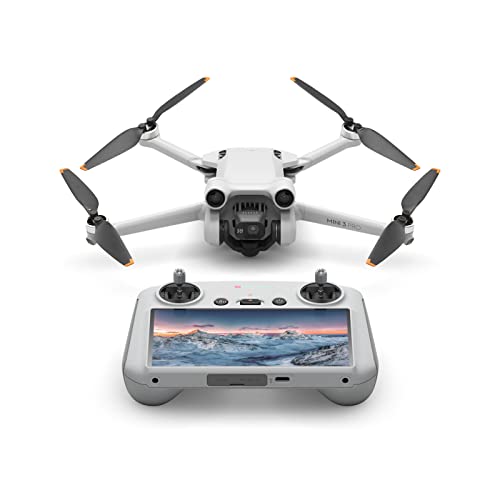
Fly More Combo Plus with DJI RC 2, Mini Drone with 4K HDR Video, 3 Intelligent Flight Battery Plus for up to 135 Mins Flight Time, Smart Return to Home, Drone with Camera for Beginners
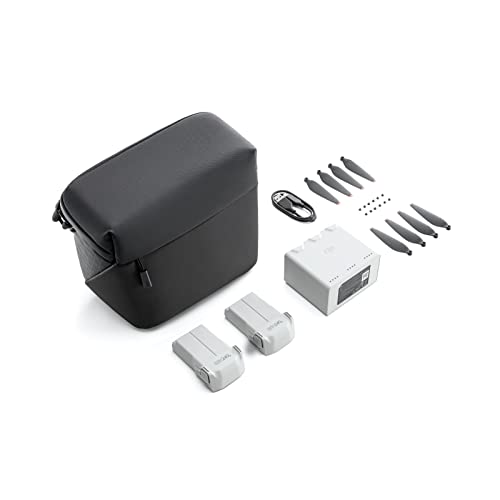
I was skeptical about this case and extra battery pack but get it! These batteries last longer and the charging case helps you keep things organized and charge conveniently!
Includes Two Intelligent Flight Batteries, a Two-Way Charging Hub, Data Cable, Shoulder Bag, Spare propellers, and Screws, unisex, Black
You need ND filters! Make sure you have a good range for different lighting situations or you may force yourself to film using less optimal film settings.
(5 Pack) UV Protection, Neutral Density & CPL 2-in-1 Filters Kit Compatible with DJI Mini 3 Pro/Mini 3 -Aluminum Version
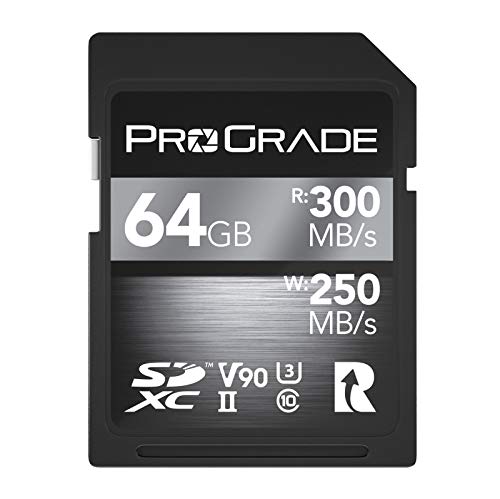
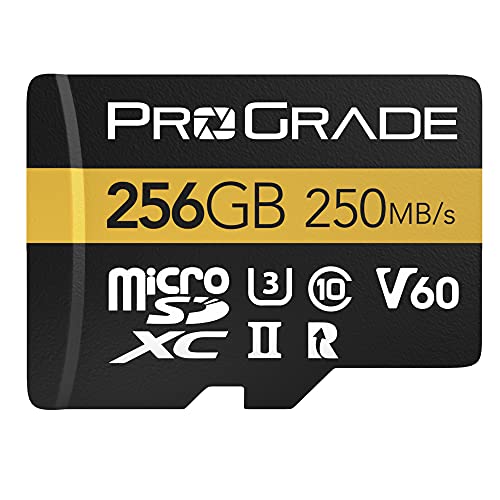
Get yourself a good SD card with a good Read and Write speed. I love this one!
V60 microSD Card for DSLR and Action Cameras - High Speed Transfer of Files & Large Storage - Up to 250MB/s Read and 130MB/s Write Speed 256 GB
Tripod Options
Tripods
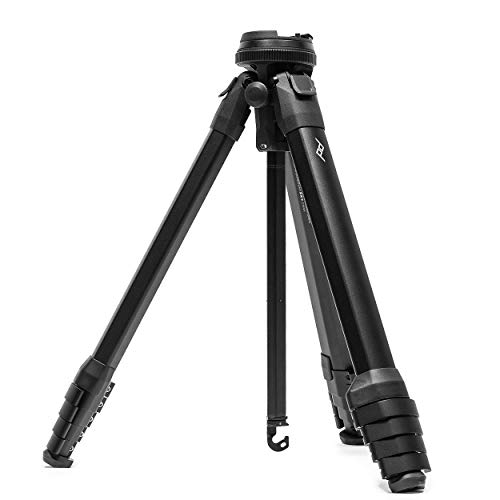
You need a tripod especially if you plan to do any long exposure. My most common use case is when I shoot waterfalls or low light situations. Tripods can be thousands of dollars and are worth the investment but here a couple affordable options. If you want to see more of my picks, I’ve put together a list of tripods for outdoor photography that are high quality but still budget‑friendly.
Ultra-Portable, Stable and Compact Professional Camera Tripod
Camera Filters
Most used Filters
I got away with not having ND and polarizer filters for awhile but I would highly recommend getting at least a few. They will come in handy if you plan to do video, shooting long exposure, harsh light, and much more! A couple things to check:
- Make sure to get the correct fit for your lens
- Do you want 3 stops, 6 stops, 10 stops? There are a lot of options so make sure to get a range or consider your use case
for Camera Lenses, Neutral Density Professional Photography Filter, MRC8, H-K9L Glass, Nanotec, Ultra-Slim, Weather-Sealed
Schott B270 - MRC16 - Nano Coating - Weather Sealed - 25 Year Support by Breakthrough Photography
SD Cards & HD Storage
Camera SD Cards
SD Cards
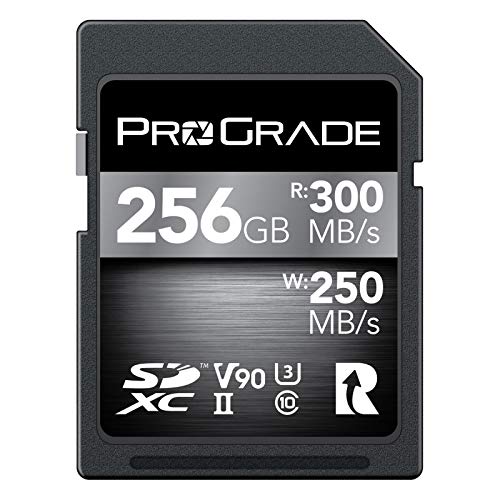
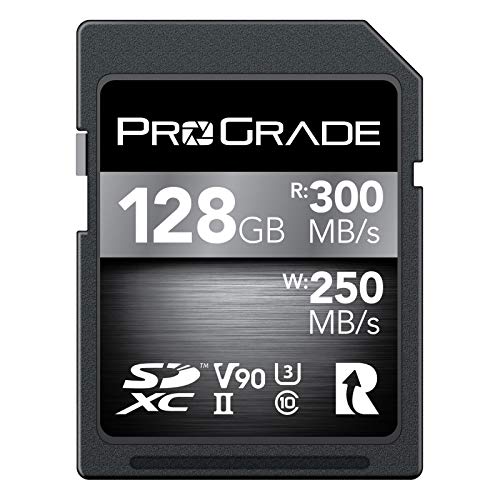
The prices for SD cards will range from 10s of dollars to 100s of dollars. There’s a lot of factors for this but the two things I pay attention to are the read and write speed. Many cards will only advertise one of these one numbers if any. Many SD cards will lag when the camera is trying to write data to the card. This can cause you to miss shots. These are the SD Cards I have been loving:
V60 microSD Card for DSLR and Action Cameras - High Speed Transfer of Files & Large Storage - Up to 250MB/s Read and 130MB/s Write Speed 256 GB
Travel/Portable HD
While traveling, especially on a long trip, I try to hold my data on portable HDs and then transfer them to my NAS when I get home. I’ve used a few different brands and have really loved these SanDisk drives. They are affordable and super compact.
Up to 1050MB/s, USB-C, USB 3.2 Gen 2, IP65 Water and Dust Resistance, Updated Firmware - External Solid State Drive - SDSSDE61-2T00-G25
Home Storage Set Up
I have gone the NAS route for my main storage. This is good for so many reasons!
- Data redundancy
- Accessible over wifi
- Easy scalability
- Cost effective long term solution
- Security
- And more!
BR1500MS2 Backup Battery Power Supply, AVR, 10 Outlets, (2) USB Charger Ports
Other Must Have's
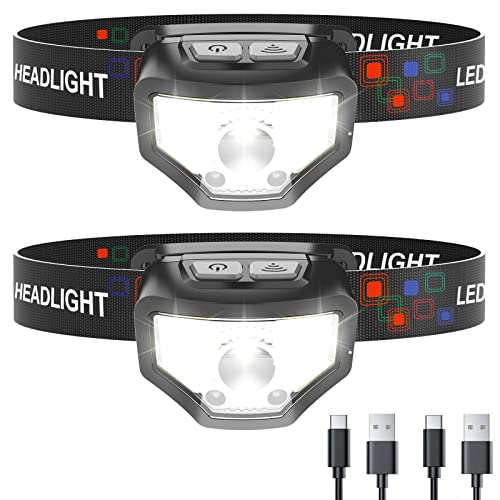
2-Pack 1200 Lumen Super Bright with White Red LED Head Lamp Flashlight, 12 Modes, Motion Sensor, Waterproof, Outdoor Fishing Camping Running Cycling Headlight
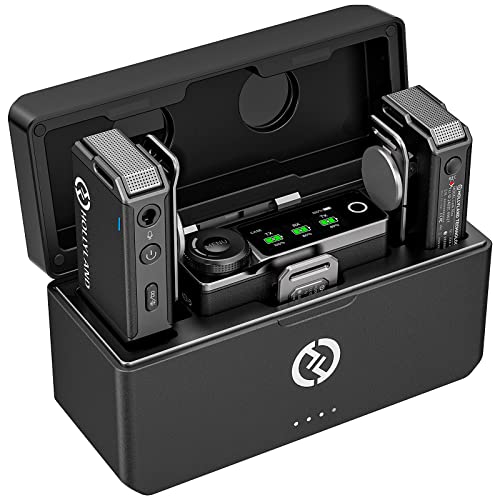
With Professional ENC, Studio Quality Audio, 22H Duration, 820ft(250m) Range, Compatible with DSLR Camera, iPhone, Android, PC-Black
USB 3.0 Type C to SD/Micro SD Card Adapter Dual Slots Read and Write Simultaneously Memory Card Reader Compatible with MacBook Pro/Air Android
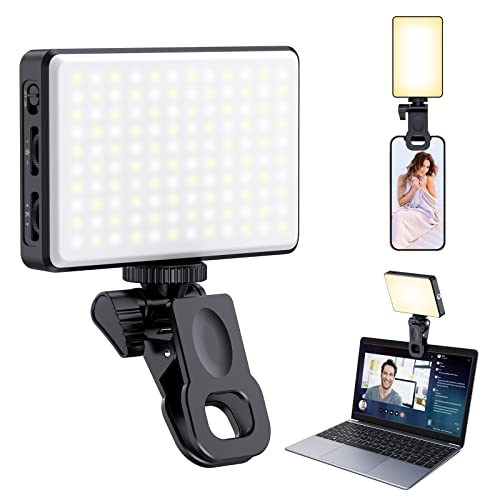
Selfie Light, 5000Mah Rechargeable Clip Video Light, Adjusted 3 Light Modes, for Phone, Camera, Laptop, iPad, Light for Phone for Selfie, Video Conference, TikTok, Vlog
Until Next Time!
I hope this can help guide you while you’re going through the confusing world of camera gear. Start simple and work your way up. You don’t need a ton of gear to get started. Be patient, buying everything at once would get very expensive so take it slow. As you advance your skill set, you will start to feel the gaps you have in gear. Don’t buy something too soon as this can cause new photographers to be very overwhelmed. Practicing composition, understanding light, and understanding editing will advance your photography more than gear. When you start feeling that gap of technical capabilities, that is when you should look at upgrading your gear. I hope this helps :)
Read next:
Share This Post
Subscribe For More!
Be the first to see the latest posts
More Photography Posts

Shooting In Raw – Understanding Bit Depth and Dynamic Range
Don’t just do it, understand why you do it! The answer to your editing struggles might be in your file type.

Understanding Photography Composition: Instantly Improve Your Photos
Have you ever looked at two pictures of the same location and wondered why one is more eye-catching than the other?