

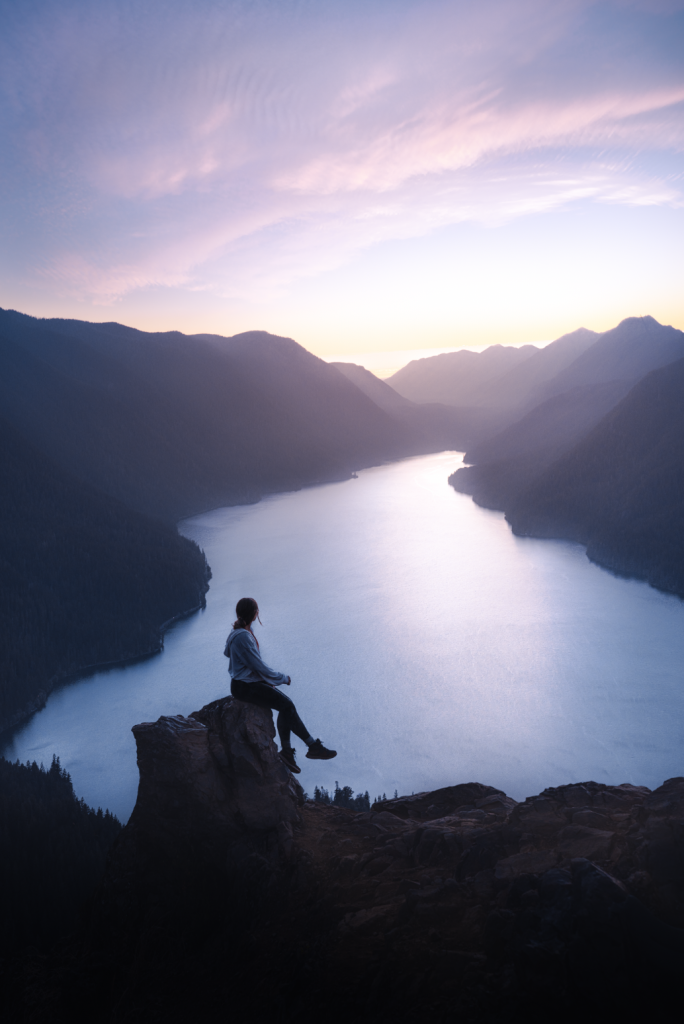
How I Tell a Story With Photography
When I think about how to tell a story with photography, I’m not necessarily looking for one dramatic moment or trying to make every photo mean something complicated. I’m thinking about what I want someone to notice, understand, or feel when they look at the image.
That might be how small a person feels beneath a huge mountain, what the weather was doing, how busy a street felt, or one quiet moment that happened between the shots I originally planned to take.
Travel photography has really reinforced this for me. When I come home from a trip, I don’t just want a folder full of beautiful landscapes. I want the photos to bring me back to the place. What it looked like, who was there, what was happening, and what it actually felt like to stand there.
Sometimes one photo can do that. Other times, the story becomes clearer when several images work together.
about the blog

Welcome to my photography blog, your comprehensive guide to mastering the art and science of photography. I’m Paige, ready to guide you on a journey of discovery, from capturing the perfect composition to deciphering the complexities of file formats and storage. This is where we will cover will include in-depth discussions on cameras, exploration of editing techniques, and a deep dive into photography’s fascinating world. Whether you’re a new enthusiast or an experienced photographer seeking to sharpen your skills, I’m committed to helping you elevate your craft to the next level. Welcome to your photography journey!
Subscribe For More!
Be the first to see the latest posts
Table of Contents
Share This Post
Disclosure: Please be aware that some of the links in this post are affiliate links, and I may receive a commission if you make a purchase using those links. However, I only recommend products or services that I personally use or believe will be valuable to my readers. Affiliate links are a way for me to earn a small commission and keep providing you with high-quality content. If you have any questions or concerns, please feel free to contact me through my contact page. Thank you for your support!
What Makes a Photo Tell a Story?
A storytelling photo gives the viewer enough information or feeling to understand something beyond what the subject simply looks like. That doesn’t mean the frame needs to be busy. Sometimes the simplest photos tell the strongest stories. A person standing alone in a huge landscape can immediately communicate scale. Fog hiding part of a mountain can completely change the mood. A child running through a street may tell you more about a place than another perfectly composed view of the buildings.
Some of my favorite storytelling photos aren’t always the biggest landscapes from a trip. Sometimes it’s a person walking through the frame, a small detail I almost passed, or a moment that happened while I was waiting for something else.

The first thing I usually want is somewhere for the eye to land. Having a clear focal point helps the viewer understand where to start, even when there is a lot happening around it. From there, the rest of the frame can give that subject context.
Start With What You Want the Viewer to Feel
Before I start thinking about all the technical choices, I try to figure out what made me stop and want to take the photo in the first place. What am I actually trying to show? Maybe it’s the size of the landscape. Maybe it’s beautiful light cutting through the scene. Maybe everything feels quiet and empty. Or maybe I’m in the middle of a colorful, chaotic street and that energy is exactly what I want the photo to feel like. Once I know that, it becomes much easier to decide what belongs in the frame.


Give the Story a Clear Subject
The subject doesn’t always need to be a person. It could be a mountain, a road disappearing into the distance, an animal, a building, one tree, or even a patch of light. People are especially useful when I want to show how a place feels at human scale. A tiny figure surrounded by a huge landscape can tell you almost instantly how big the scene really was.
I use that a lot in my own work, and I talk more about why it works in my guide to using scale in landscape photography.
Include Enough Context
Where you place the camera and how much of the surroundings you include can completely change the story. A tight shot of someone might show their expression. Step farther back and suddenly you also see where they are, what they’re doing, what the weather looks like, and how the environment relates to them. Neither version is automatically better. They just tell different parts of the story.
This is one of the reasons I’m always moving around instead of taking every photo from eye level. Changing your perspective can change what the viewer understands about the scene without changing the subject at all.
Don’t Only Take the Obvious Photo
When I arrive somewhere incredible, the obvious reaction is usually to take the big wide shot. And I do. But if I only come home with ten versions of that same view, I haven’t really captured much of the experience. One of the easiest ways to tell a fuller story is to change what you’re looking for as you shoot.
Shoot Wide, Medium, and Close
I like having different distances because they each answer a different question. A wide photo tells you where we are. A medium shot can show what is happening there. A close detail can show what it actually felt like to be there. On one trip that might mean a huge mountain valley, someone walking through it, then the flowers beside the trail or details from a small village along the way.
Those smaller frames matter more than people sometimes realize. They give the bigger photos context and keep a group of images from feeling like the same shot over and over. If you’re trying to make your travel images feel more immersive, I talk more about looking beyond the obvious viewpoint in my travel photography tips.
Capture the Moments Between the Big Moments
Some of the photos I care about most happen when I’m not asking anyone to pose. Kids running through a valley. Someone turning around to laugh. A person walking into the light. A reaction happening behind whatever everyone else is looking at. I try to anticipate those moments instead of waiting until they’ve already happened.
If I’m shooting people, I’ll often step back a little and let them forget about the camera. The less I interrupt what is happening, the more natural the photo usually feels. And I keep shooting a little longer than I think I need to. The first frame is sometimes the expected one. A few seconds later is when people relax and something much better happens.
Look for Details That Belong to That Place
I also try to notice the things that make one place different from another.
That might be:
- a pattern in the architecture
- food on a table
- local transportation
- weather moving through
- clothing or textures
- plants along a trail
- signs, doors, windows, or small objects
Not every detail needs its own photo. I’m looking for the ones that add something the wide landscape can’t.
How I Tell a Story With a Series of Photos
A single image can tell a story, but a series gives you more room to show an experience from different angles. I was reminded of this while putting together photos from Kyrgyzstan. Choosing the images was only part of it. Once I had them, I still had to decide what order they belonged in. That order changes how the whole set feels.


Start With a Frame That Makes Someone Want to See More
I don’t automatically choose my technically best photo as the first image. The opener needs to make someone curious. Sometimes that’s the biggest landscape. Other times it’s something graphic, unexpected, colorful, or a little mysterious. Its job is to make the next image feel worth seeing.
Change the Distance and Pace
A series of ten sweeping landscapes can start to blur together, even if every individual photo is beautiful. I like mixing distances. A wide landscape followed by a person, then a detail, then something medium, then another wide shot gives the viewer a chance to reset.
It also makes the next big view feel bigger because you haven’t been looking at the same kind of frame the entire time. That change in distance can also help create a stronger feeling of depth throughout the story, not just inside one image.
Keep Some Kind of Visual Thread
The images don’t all need to match, but I want them to feel like they belong to the same experience. Sometimes that thread is color. Sometimes it’s weather, light, subject matter, or just the overall mood. I’ve left stronger individual photos out of a set because their tones fought with everything around them. The photo might be great on its own, but if it pulls the viewer completely out of the story, it may belong somewhere else.
Light can be especially useful for connecting a group of images. If you want to see more of how I work with it, my guide to light and shadow in landscape photography goes deeper into how light can shape a composition.
End on Feeling
I usually like the final image to feel quieter than the opener. The last frame is what the viewer is left with. It might be someone disappearing into the distance, a road, a softer landscape, or a small moment that feels like the end of the trip rather than the middle of it. I’m less worried about ending with more information than I am about ending with the right feeling.


Choose the Photos That Strengthen the Story
Coming home from a trip with thousands of photos does not mean thousands of them need to be edited or shared. I came back from Kyrgyzstan with more than 4,000 photos, and Kenya was even more than that. The hard part eventually becomes deciding what actually deserves to stay.
When I’m putting together a story, I try to separate two questions: Is this a good photo? and Does this photo add something to this story? Those are not always the same thing. If two images are saying essentially the same thing, I usually don’t need both.
I’ll ask myself:
- Does this show something we haven’t seen yet?
- Does it change the pace?
- Does it add context?
- Is it repeating another frame?
- Does it support the mood or interrupt it?
This is where being willing to leave good photos out becomes really important. Sometimes a simpler set tells the story much better than trying to fit every image I like into it. It’s similar to the way I think about negative space in photography. What you leave out can matter just as much as what you include.
The Story Matters More Than Showing Everything
You don’t need to capture every part of a place or share every good image to tell its story. Sometimes a sweeping landscape, one person, a small detail, an unexpected moment, and a quiet ending can say more than twenty similar photos ever could. When I look back at a trip, I want the images to do more than remind me what the place looked like. I want them to bring back a little of what it felt like to actually be there.
That’s what storytelling in photography means to me. It isn’t about forcing a complicated narrative into every frame. It’s about paying attention to what matters, showing enough context for someone else to understand it, and knowing when one small moment says more than the obvious shot.
I hope this helps you think a little differently the next time you’re out shooting, especially when you come home and start deciding which photos actually tell the story. If you haven’t subscribed yet, I share more recent shoots, photography tips, and lessons from the places I’m visiting in The Weekly Frame.
Frequently Asked Questions
What is storytelling in photography?
Storytelling in photography is using a photo or series of photos to communicate a moment, feeling, place, or experience. A strong storytelling image gives the viewer enough subject, context, or emotion to understand more than just what the scene looked like.
How do you tell a story through photography?
You tell a story through photography by deciding what you want the viewer to notice or feel, then building the frame around that idea. I usually look for a clear subject, enough context, and small details or moments that help show what it actually felt like to be there.
Can one photo tell a story?
Yes, one photo can tell a story if it gives the viewer enough information or emotion to understand something about the moment. A person, action, expression, setting, weather, light, or even empty space can all help carry that story.
What are the key elements of visual storytelling in photography?
The key elements of visual storytelling are a clear subject, context, mood, composition, and a moment or detail that gives the image meaning. Light, color, perspective, and scale can all support the story, but they should help the viewer understand or feel something rather than just make the photo look pretty.
How can I evoke emotion in storytelling photography?
You can evoke emotion by paying attention to real moments, expressions, light, weather, scale, and the relationship between the subject and the environment. I find that quieter or less-perfect moments often bring back more feeling than a photo that was technically planned from start to finish.
How do you tell a story with a series of photos?
Tell a story with a series of photos by mixing wide views, medium shots, people, and details, then arranging them so each image adds something new. I like to start with a frame that creates curiosity, vary the pace and distance, keep a visual thread, and end with an image that leaves the right feeling.
How do you choose photos for a photo story?
Choose photos that add new information, emotion, context, or pacing instead of including every strong image from the shoot. If two photos are telling me essentially the same thing, I usually keep the one that fits the overall story better.
about the blog
Welcome to my photography blog, your comprehensive guide to mastering the art and science of photography. I’m Paige, ready to guide you on a journey of discovery, from capturing the perfect composition to deciphering the complexities of file formats and storage. This is where we will cover will include in-depth discussions on cameras, exploration of editing techniques, and a deep dive into photography’s fascinating world. Whether you’re a budding enthusiast or an experienced photographer seeking to sharpen your skills, I’m committed to helping you elevate your craft to the next level. Get ready to transform your passion into prowess, one click at a time. Welcome to your photography journey!
Share This Post
Subscribe For More!
Be the first to see the latest posts
More Photography Posts


What I use as a Professional Photographer – Camera Gear
Camera gear is a bottomless black pit that will suck up all your money… What do I use and why do I love it? Don’t buy things you don’t need.

Shooting In Raw – Understanding Bit Depth and Dynamic Range
Don’t just do it, understand why you do it! The answer to your editing struggles might be in your file type.