DSLR vs. Mirrorless Cameras: What's the Difference?
In 2025, the debate around dslr vs mirrorless cameras is more relevant than ever. Brands like Canon, Nikon, and Sony are putting most of their focus on mirrorless models instead of traditional DSLRs. If you’re trying to figure out which one is right for you, it can definitely feel a bit confusing.
Choosing between the two comes down to your shooting style, your budget, and what you want from your gear. Both types can take stunning photos, but they do things differently. The way each system works affects how you shoot, what gear you carry, and how you edit later on.
This guide breaks down the key differences. You’ll learn how they compare in size, battery life, lens options, and video features. We’ll also look at who each system is best suited for and share a few camera recommendations. On top of that, I’ll show you the gear I use for professional work and explain why it works for me.
about the blog
Welcome to my photography blog, your comprehensive guide to mastering the art and science of photography. I’m Paige, ready to guide you on a journey of discovery, from capturing the perfect composition to deciphering the complexities of file formats and storage. This is where we will cover will include in-depth discussions on cameras, exploration of editing techniques, and a deep dive into photography’s fascinating world. Whether you’re a new enthusiast or an experienced photographer seeking to sharpen your skills, I’m committed to helping you elevate your craft to the next level. Welcome to your photography journey!
Subscribe For More!
Be the first to see the latest posts
Table of Contents
Share This Post
Disclosure: Please be aware that some of the links in this post are affiliate links, and I may receive a commission if you make a purchase using those links. However, I only recommend products or services that I personally use or believe will be valuable to my readers. Affiliate links are a way for me to earn a small commission and keep providing you with high-quality content. If you have any questions or concerns, please feel free to contact me through my contact page. Thank you for your support!
What Is a DSLR Camera?
A DSLR, or Digital Single-Lens Reflex camera, uses a mirror inside the body so you see exactly what the lens sees. When you press the shutter, the mirror flips up and the sensor captures the shot.
What makes DSLRs stand out is the optical viewfinder. You’re looking at real light in real time. That can be a big deal when you’re shooting fast subjects or working in bright sunlight.
Another thing you’ll notice is the battery life. DSLRs often last all day without a recharge, which is perfect for long events or trips.
They also feel solid in your hands. If you like a larger grip and physical controls, a DSLR might feel more comfortable. And when it comes to lenses, you’ve got years of options from Canon, Nikon, and third-party brands.
If you’re into sports, portraits, or any fast-paced work, DSLRs are still a strong, reliable choice. They might be bulkier, but for some people, that’s part of the appeal.
What Is a Mirrorless Camera?
A mirrorless camera skips the mirror mechanism found in DSLRs. Light goes straight to the sensor, which makes the camera smaller and lighter.
Instead of an optical viewfinder, you’ll see a digital preview through the screen or an electronic viewfinder. That means you can check your exposure and focus before you even take the shot.
Mirrorless cameras shine when it comes to autofocus speed, silent shooting, and video features like 4K or 8K. Many models even include smart tracking that follows people and animals in motion.
Battery life isn’t as long as DSLRs, but the tradeoff is worth it for many. If you’re traveling or hiking, the lighter setup can be a game-changer.
Most brands are now putting their best tech into mirrorless systems. So if you’re looking for cutting-edge features in a compact body, this is where to start.
What's the Difference Between DSLR and Mirrorless Cameras?
Both DSLR and mirrorless cameras can take stunning photos, but they work in different ways. The real differences come down to how they focus, what you see while shooting, how big or heavy the gear is, lens options, video features, speed, battery life, and price.
Autofocus Performance
With a DSLR, the camera uses a phase detection system inside the body when you’re looking through the viewfinder. It’s fast and accurate. But once you switch to live view on the back screen, the focus slows down. That’s because DSLRs use contrast detection for live view, which isn’t as quick.
Mirrorless cameras, on the other hand, rely on on-sensor phase detection. That means the entire frame is available for fast and accurate focusing, whether you’re using the screen or viewfinder. You also get features like eye detection for people and animals, which helps lock focus even when your subject is moving.
If you shoot a lot of video, you’ll notice a big difference here. Mirrorless autofocus is smoother and quieter. DSLRs tend to hunt for focus and can make noise while recording, which your mic might pick up. That’s why sports and wildlife photographers are making the switch to mirrorless. It just keeps up better.
Viewfinder Experience
With a DSLR, you’re looking through an optical viewfinder that reflects actual light coming through the lens. There’s no screen involved, so what you see is real-time with zero lag.
Mirrorless cameras use electronic viewfinders, which are tiny screens showing a live preview from the sensor. These let you see what your photo will look like before you take it. You can check your exposure, white balance, and focus in real time.
In low light, electronic viewfinders make it easier to see your scene. But if you prefer a more natural, direct view, you might like the optical system in a DSLR better.
Size and Weight
Mirrorless cameras are generally smaller and lighter than DSLRs. Without the mirror mechanism, the design becomes more compact.
If you’re traveling or hiking, this size difference can be a big deal. A full-frame mirrorless camera might weigh half as much as a DSLR. Your bag stays lighter, and your neck and shoulders will thank you.
Just keep in mind that while the camera bodies are smaller, the lenses aren’t always. A big zoom lens still adds bulk, no matter what system you use. And if you have large hands, smaller mirrorless cameras can sometimes feel cramped.
Lens Compatibility
DSLRs have been around for decades, so they come with a huge selection of lenses. Canon and Nikon especially have built extensive lens ecosystems. You’ll find plenty of options on the used market too, often at great prices.
Mirrorless systems started more recently, so they had fewer lenses at first. But now, most brands offer a solid range of native lenses for their mirrorless mounts.
The good news? You can use many DSLR lenses on mirrorless cameras with an adapter. This helps if you’re transitioning from a DSLR setup and don’t want to replace everything at once. That said, native mirrorless lenses usually perform better because they’re designed specifically for those shorter sensor distances.
Related: What Does Focal Length Mean in Photography?
Video Capabilities
If video matters to you, mirrorless has a clear edge. Most models come with 4K video as a standard feature, and some go up to 6K or 8K. You’ll also find features like in-body stabilization, flip screens, and faster autofocus that make a big difference when filming.
DSLRs can shoot video too, but they have more limits. They may overheat during long takes, and the focus tends to be slower and noisier.
For most creators, mirrorless cameras make video shooting easier and more reliable. That’s why they’re so popular among vloggers and content creators.
Image Quality and Sensor Options
Both systems use the same sensor sizes, from APS-C to full-frame. So when it comes to image quality, there’s not a big difference between DSLR and mirrorless if you’re comparing similar sensors.
What does matter is sensor generation. Mirrorless cameras often get the latest sensors first, so you’ll usually find better low-light performance, faster readout speeds, and higher resolutions in newer mirrorless models.
If you’re looking for high megapixel counts above 40MP, you’ll likely find more choices in the mirrorless space.
Shooting Speed and Frame Rates
Without a mirror to move, mirrorless cameras can shoot much faster. Some models capture over 20 frames per second with continuous autofocus. High-end ones can even go beyond 30 fps.
They also offer electronic shutters, so you can shoot in silence. That’s helpful for events like weddings or when you’re photographing wildlife.
DSLRs are limited by the speed of the mirror mechanism. Even fast pro-level models usually top out around 14 fps. For action and sports photographers, that makes mirrorless a more flexible option.
Battery Life and Charging
One area where DSLRs still win is battery life. You can often shoot 600 to 3,000 photos on one charge depending on the model. That’s because the optical viewfinder doesn’t need any power.
Mirrorless cameras need to power the screen and viewfinder constantly, so battery life is shorter. Expect around 300 to 400 shots per charge from most models.
That said, charging a mirrorless camera is easier. Many models support USB-C, so you can top up using a power bank or even your laptop. Carrying extra batteries is an easy fix for longer shoots.
Mirrorless vs. DSLR Camera: Pros and Cons
Both mirrorless and DSLR cameras can deliver amazing image quality. But choosing the right one really comes down to your style, your habits, and what feels best for you.
Why You Might Prefer a DSLR
The battery life lasts much longer, which is great for long shoots
The optical viewfinder gives you a real-time view with no lag
You get access to a huge selection of lenses built over decades
Larger bodies often mean a more comfortable grip
If you’re just starting out, used DSLR gear can be more affordable
Things to Keep in Mind with DSLRs
They’re heavier and bulkier, which can be a pain to carry
Autofocus slows down in live view mode
Video features are limited compared to what mirrorless cameras offer
The mirror mechanism adds noise and vibration when you shoot
Why You Might Love a Mirrorless Camera
The compact size makes travel and everyday carry much easier
Autofocus is usually faster and better for tracking moving subjects
You get a live preview of your exposure through the electronic viewfinder
Video quality and features are often more advanced
Silent shooting helps you stay discreet in quiet settings
A Few Downsides of Mirrorless
Battery life is shorter since the screen and EVF use more power
EVFs can sometimes lag or wash out in really bright light
Smaller bodies might feel cramped if you have larger hands
A higher upfront cost if you’re aiming for pro-level models
So, what should you choose?
It depends on what you’re shooting. If you do a lot of sports or events and need long battery life with an optical viewfinder, a DSLR might suit you best.
If you’re often on the go, shoot video, or want a lighter setup, a mirrorless camera could be a better fit.
Budget also plays a part. If you’re trying to save money, the used DSLR market has a lot of solid options for less.
Who Should Choose DSLR?
If long battery life matters to you, a DSLR is a solid choice. Some models let you shoot thousands of photos on one charge, which is great for travel or full-day events.
It’s also a good pick if you’re on a budget. The used market is full of great deals on DSLR bodies and lenses, especially from Canon and Nikon.
Already have DSLR lenses? Sticking with the same system makes sense and saves money.
Many photographers still prefer the optical viewfinder. It gives you a clear, real-time view without relying on a screen.
Here’s when a DSLR makes sense:
You shoot for hours without access to power
You want a more affordable setup
You already own compatible lenses
You prefer the feel of a bigger camera body
If you photograph weddings, sports, or portraits, a DSLR’s reliability and classic design might be exactly what you need.
Who Should Go Mirrorless?
If you create videos or post content often, a mirrorless camera might be exactly what you need. Most models offer sharp 4K and even 6K or 8K video, making them a great fit for both photos and video work.
Traveling light? Mirrorless cameras are easier to carry. The bodies are smaller, the lenses are lighter, and your gear bag stays much more manageable.
Here’s why you might choose mirrorless:
You want one camera for both video and photos
You shoot while traveling and want to pack light
You need a flip screen or compact setup for vlogging
You like trying out the latest camera tech
If you’re already using DSLR lenses, don’t worry. Many mirrorless cameras work with adapters, so you can upgrade slowly without replacing everything at once.
And if your hands are on the smaller side, you might find these smaller bodies easier and more comfortable to use.
What Camera I Use and Recommend
If you’re wondering what camera I rely on, it’s the Sony A7RV. This full-frame mirrorless camera has been my go-to for landscape photography, and to be honest, it’s the best I’ve ever used. The level of detail it captures is unreal, especially if you care about high-quality prints.
What really sold me was how confidently I could print large-scale work without losing clarity. One printing company even told me my RAW files were among the best they’ve ever received. That kind of feedback gave me even more trust in this setup.
When you’re editing, those massive RAW files give you all the flexibility you need. If you’re particular about post-processing, this camera gives you plenty of room to fine-tune without compromising image quality.
My favorite features:
- 61 Megapixel (9504 x 6336)
- Image Sensor - 35.7 x 23.8 mm (Full-Frame) CMOS
- 15 stops of dynamic range at low sensitivities (does really well in low light)
- A massive IOS range between 50-102,400
- Continuous shooting up to 10fps
- AF/AE Tracking
- Eye AF for Video and or when shooting photos (the autofocus in soooo good)
- Pixel shift can give you a photo file with up to 19008 x 12672 pixels
- 8k video recording
- High-Speed Wifi support
- Wireless PC remote connectivity
- 2 memory card slots
- And the list goes on!
For those days when I’m out adventuring, like swimming through caves or hiking around waterfalls, I always take my GoPro HERO12 Black. It’s lightweight, waterproof, and tough enough to handle anything I throw at it. I don’t treat it as a backup. It’s the camera I grab when I need something rugged and portable.
Waterproof Action Camera with 5.3K HDR Video, 27MP Photos, 1/1.9" Image Sensor, Live Streaming, Webcam, Stabilization + 64GB Card & 50 Piece Accessory Kit - Bun...
If you’re looking for something more budget-friendly but still want great performance, the Sony Alpha 7 IV is a camera I’ve also used. It gives you many of the same features but with smaller files, which helps a lot if you’re tight on storage or don’t need every pixel.
My thoughts:
Great with video and photos and will have a little smaller file sizes which is nice if you don’t see the need for 61 megapixels. Has many of the same features as my camera but with smaller files which can be nice if you don't plan on blowing up your photos huge. The smaller files will help you save on storage space.
* Full-frame Mirrorless Interchangeable Lens Camera,Body Only , Black
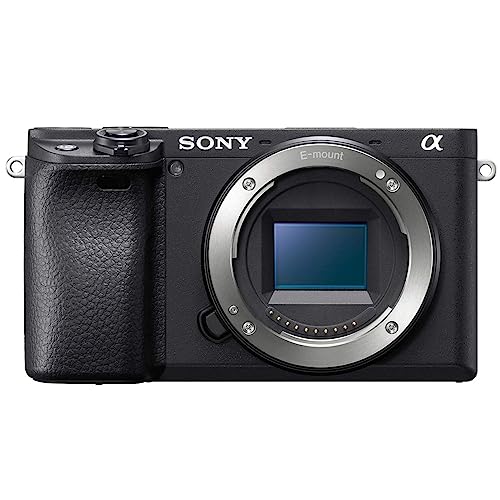
And if you’re after something even more compact, the Sony Alpha a6400 is a great pick. It’s small, reliable, and perfect for everyday shooting or travel when you want to pack light but still get great results.
Compact APS-C Interchangeable Lens Digital Camera with Real-Time Eye Auto Focus, 4K Video & Flip Up Touchscreen - E Mount Compatible Cameras - ILCE-6400/B Body
No matter where you are in your photography journey, there’s a setup that fits your needs. These are the ones I’ve used, trusted, and genuinely enjoyed. Hopefully, they’ll help you figure out what works best for you too.
Mirrorless Camera vs. DSLR Camera: Which Is Right for You?
If you’re deciding between a DSLR and a mirrorless camera, it really comes down to what fits your needs and your budget. DSLRs are often more affordable, especially if you’re looking at used gear. But mirrorless cameras offer newer features and tech that can really elevate your experience.
When I switched to mirrorless, the first thing I noticed was how much lighter my gear felt. I hike a lot for landscape shots, so carrying less weight made a big difference in how long I could stay out shooting. It’s something you don’t really appreciate until your back thanks you for it.
Battery life is one thing I did miss at first. DSLRs tend to last longer on a single charge. But once I saw how much better the autofocus was, especially for fast-moving subjects or when I’m filming video, I knew I wasn’t going back. The focus just locks in so quickly, and I don’t have to second-guess it.
If you’re thinking about building a lens collection or investing in new gear, it’s worth knowing that most camera companies are putting their focus on mirrorless systems. I’ve definitely seen that with lens options and firmware updates. Mirrorless is where things are headed.
If you want to check out the gear I personally use and love, take a look at my camera recommendations. I only include what’s actually worked for me on real shoots. And it’s not just cameras. That post includes my full setup including backpacks, lenses, drones, tripods, filters, SD cards, storage solutions, and other must-haves I’ve tested and trusted over the years. I’ve spent hours researching and way too much money on things that didn’t work out, so hopefully this guide saves you the same trouble.
Frequently Asked Questions
Is a mirrorless camera better than a DSLR?
The answer depends on what you plan to shoot and your priorities. Mirrorless cameras excel in autofocus speed, video recording, and overall portability for travel.
DSLRs offer longer battery life and some prefer the optical viewfinder experience. Your budget and shooting style should guide this choice more than general advice.
Do mirrorless cameras take better pictures than DSLR cameras?
Picture quality comes down to sensor size and lens quality, not the camera type. Both systems can produce equally sharp and detailed images with the right setup.
Modern mirrorless cameras often feature newer sensors and faster processors than older DSLRs. The real-time exposure preview helps you nail settings before taking the shot.
Can you use DSLR lenses on a mirrorless camera?
Most major brands like Canon, Nikon, and Sony offer adapters for their DSLR lenses. These adapters maintain autofocus and image quality with minimal added weight.
Check your specific lens mount before buying an adapter. Native mirrorless lenses often perform better and take full advantage of the camera’s features.
Is a mirrorless camera better for video?
Mirrorless cameras generally outperform DSLRs for video work across most price ranges. On-sensor phase detection autofocus tracks subjects smoothly during recording.
Most mirrorless bodies offer 4K recording and in-body image stabilization. The compact size works better for handheld shooting and vlogging setups.
DSLRs lack these modern video tools in most cases.
Do professional photographers use DSLR or mirrorless?
Both systems remain popular among working pros, but the trend clearly favors mirrorless. Canon and Nikon now focus most development efforts on their mirrorless lines.
Hybrid creators who shoot both photos and video often choose mirrorless systems. The switch allows them to handle diverse client needs with one camera body.
Is it worth upgrading a DSLR to mirrorless?
Consider your current gear investment and specific needs before switching systems completely. Better autofocus, video features, and lighter weight justify upgrades for many shooters.
Adapters let you use existing DSLR lenses during the transition period. Factor in the cost of new batteries, memory cards, and learning new menus.
Is DSLR obsolete in 2025?
DSLRs aren’t obsolete but they’re no longer the industry focus for innovation. Most camera makers have shifted research and development resources to mirrorless technology.
Existing DSLR models still work perfectly for photography and many remain supported. Budget-conscious buyers and those prioritizing battery life can still choose DSLRs effectively.
about the blog
Welcome to my photography blog, your comprehensive guide to mastering the art and science of photography. I’m Paige, ready to guide you on a journey of discovery, from capturing the perfect composition to deciphering the complexities of file formats and storage. This is where we will cover will include in-depth discussions on cameras, exploration of editing techniques, and a deep dive into photography’s fascinating world. Whether you’re a budding enthusiast or an experienced photographer seeking to sharpen your skills, I’m committed to helping you elevate your craft to the next level. Get ready to transform your passion into prowess, one click at a time. Welcome to your photography journey!
Share This Post
Subscribe For More!
Be the first to see the latest posts
More Photography Posts

What I use as a Professional Photographer – Camera Gear
Camera gear is a bottomless black pit that will suck up all your money… What do I use and why do I love it? Don’t buy things you don’t need.

Shooting In Raw – Understanding Bit Depth and Dynamic Range
Don’t just do it, understand why you do it! The answer to your editing struggles might be in your file type.