What are the Best Tripods for Landscape Photography ?
If you love chasing sunrise light or shooting waterfalls, you already know how much a solid tripod can help. The best tripods for landscape photography keep your shots sharp and steady. With a good tripod, you can slow down, adjust your framing, and capture all those small details, even when the light is low. Without one, even the nicest camera can leave you with blurry photos.
Picking the right tripod can feel overwhelming with so many choices out there. You have to think about weight, height, build quality, and how well it holds up in wind, sand, or cold weather. At the end of the day, you want something stable that’s still easy to carry with you.
In this guide, you’ll find our top picks from hands-on testing and real-world experience. We’ll also walk you through what really matters when you’re shopping for a tripod, like which materials hold up best and what features to look for.
We just want to make it easier for you to pick out a tripod that matches your style, works for your budget, and keeps up on all your adventures. If you want a closer look at the camera gear I use out in the field, you can find all the details in my professional camera gear list.
about the blog
Welcome to my photography blog, your comprehensive guide to mastering the art and science of photography. I’m Paige, ready to guide you on a journey of discovery, from capturing the perfect composition to deciphering the complexities of file formats and storage. This is where we will cover will include in-depth discussions on cameras, exploration of editing techniques, and a deep dive into photography’s fascinating world. Whether you’re a new enthusiast or an experienced photographer seeking to sharpen your skills, I’m committed to helping you elevate your craft to the next level. Welcome to your photography journey!
Subscribe For More!
Be the first to see the latest posts
Table of Contents
Share This Post
Disclosure: Please be aware that some of the links in this post are affiliate links, and I may receive a commission if you make a purchase using those links. However, I only recommend products or services that I personally use or believe will be valuable to my readers. Affiliate links are a way for me to earn a small commission and keep providing you with high-quality content. If you have any questions or concerns, please feel free to contact me through my contact page. Thank you for your support!
Quick List of the Top Tripods for Landscape Photographers
- Peak Design Travel Tripod (Carbon Fiber) – Best Overall
- Peak Design Travel Tripod (Aluminum) – Best Budget Option
- Manfrotto 190 Aluminum Tripod – Best for Versatility
- Gitzo GT2542 Series 2 Mountaineer Tripod – Best Value
- Vanguard Alta Pro 263AP Tripod – Best for Flexibility and Panoramic Shooters
Why a Good Tripod Matters for Landscape Photography
If you love shooting landscapes, a sturdy tripod gives you much more control over every shot. It keeps your camera steady, so your photos stay sharp even when the light isn’t great. Without one, it’s easy to end up with soft or blurry images (even if you have the best camera).
You’ll want a tripod for long exposures, like when you want to capture smooth water or moving clouds. During sunrise or sunset, when the light changes fast, a tripod helps you keep your framing locked in for each shot. This makes it much easier to blend photos later or create a seamless panorama.
When you shoot in low light and try to hold your camera by hand, you usually have to bump up the ISO… which can make your images look grainy. A tripod lets you keep your ISO low, so your shots have clean tones and rich color. Plus, having your camera steady means you can take your time to fine-tune your focus or add filters without feeling rushed.
It might seem easier to leave your tripod at home and carry less weight, but doing that really limits what you can capture. With a tripod, you give yourself the freedom to slow down, adjust your composition, and let the scene come together with patience.
Best Tripods for Landscape Photography
I tried out a bunch of tripods to find the ones that actually keep your photos sharp and steady. The tripods here give you solid support without being too heavy or a pain to set up. Each one strikes a good balance between strength, weight, and how easy it is to use out in the field.
Peak Design Travel Tripod (Carbon Fiber)
Ultra-Portable, Stable and Compact Professional Camera Tripod
Pros
- Packs down small but feels sturdy
- Sets up fast with smooth locks
- Handles heavy gear without wobbling
Cons
- A bit pricey
- Twist locks might feel tight at first
- Center column doesn’t give you super fine height control
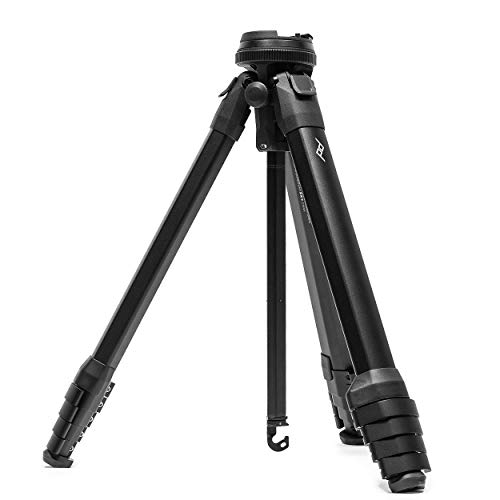
When you use the Peak Design Travel Tripod, the first thing you’ll notice is how tiny it gets when folded up. It can fit right in your backpack’s side pocket, but once you set it up, it feels surprisingly solid. The carbon fiber build gives you real strength without the extra weight.
Setting it up only takes a few seconds. The legs snap open smoothly, and the ball head lets you fine-tune your camera position without any hassle. You won’t be fumbling with awkward clips or knobs, which makes a big difference when the light is changing fast.
If you’re shooting in the wind, you can hang your bag from the hook for some extra balance. The tripod stays firm during long exposures, even in rough conditions. Sure, the price is on the higher side, but if you travel a lot, you’ll get your money’s worth.
If you want something that saves space and sets up in a flash, the Peak Design Travel Tripod nails it with size, strength, and convenience.
Peak Design Travel Tripod (Aluminum)
Pros
- Fits easily in your pack
- Feels strong and holds heavy gear
- Super quick to set up
Cons
- Costs a bit more
- Aluminum adds a little weight
- Center hook is pretty small for extra balance
If you bring the Peak Design Travel Tripod on a sunrise hike, you’ll see how fast it sets up. You can lock the legs in place with just one pull, and the ball head stays steady even with a big camera and lens. When you’re done, it folds down to about the size of a water bottle, so it won’t take up much room in your bag.
This tripod holds its ground in the wind, whether you’re on rocks or dirt. You can hang a small bag from the hook if you want a little extra stability, and it holds up with no shaking. Swapping your camera is quick and easy thanks to the simple lever release. That really helps when the light is changing and you need to move fast.
Peak Design made this tripod with travel in mind, but they didn’t cut corners on strength. The aluminum version isn’t the lightest tripod out there, but it still feels more solid than most compact options. If you like to shoot landscapes, this tripod gives you a good mix of size, stability, and speed.
Manfrotto 190 Aluminum Tripod
Pros
- Locks are strong and quick to use
- Compact and easy to pack
- Column tilts smoothly so you can frame your shots any way you want
Cons
- Feels a bit heavy on long hikes
- Doesn’t have a built-in hook for extra weight
- Aluminum can get cold if you are out in winter
If you need a tripod that stays solid, even on uneven ground, you’ll like the Manfrotto 190 Aluminum. The Quick Power Lock snaps tight with one hand, so you can set up fast when the light is changing. That makes a big difference when you are chasing the perfect shot.
When you are thinking about things like aperture and sharpness, nothing is more important than stability. Even if you set your camera just right, a shaky tripod will ruin your details. This one keeps everything locked in so you can focus on your exposure and light.
The column tilts all the way to the side, which is really handy for ground-level shots or top-down photos. The bubble level helps you keep the horizon straight without any extra effort.
If you want a tripod that sets up quickly and keeps your camera steady, this one covers the basics really well. It is not the lightest option out there, but it is built to last and won’t let you down during a shoot.
Gitzo GT2542 Mountaineer Tripod
Pros
- Costs more than most tripods
- Doesn’t come with a head
- Center column may feel short if you’re tall
Cons
- Feels a bit heavy on long hikes
- Doesn’t have a built-in hook for extra weight
- Aluminum can get cold if you are out in winter
If you ever take the Gitzo GT2542 out on a mountain trail, you’ll notice right away how solid it feels. The carbon fiber legs stay firm, even when you use a heavy DSLR and 200mm lens. You can trust this tripod for long exposures without worrying about any shake.
Setting it up is smooth and easy. The G-locks twist without a struggle, and the legs stay sturdy at any angle. If you want to get low for ground-level shots, the center column drops down so you can get close to the action. That’s perfect for capturing details in rocks, grass, or anything right in front of you.
The price might give you a little pause since it does cost more than most mid-range tripods. But honestly, the build quality makes up for it. If you care about stability and want gear that’s going to last, this tripod is worth having in your kit.
Vanguard Alta Pro 263AP Tripod
Pros
- Feels sturdy and handles rough ground
- Pan head moves smoothly for easy framing
- Center column lets you try out creative angles
Cons
- Feels a bit heavy if you hike a lot
- Takes up more space when folded
- Locks need a good grip to tighten
If you take the Alta Pro 263AP out on windy cliffs or bumpy trails, you’ll see how steady it stays. The aluminum legs feel tough, and the rubber feet help keep your setup in place even if the ground gets slippery. You don’t have to worry about wobble, even with a bigger camera.
The Multi-Angle Central Column makes it easy to get low shots. If you want to try macro photography or creative angles, you can tilt the column and it stays put. That kind of flexibility is rare at this price.
Once you get used to the flip locks, setting up is quick. The PH-32 pan head moves smoothly, which helps you line up the horizon just right. This tripod isn’t the lightest, but the solid build feels worth the trade.
For landscape photos, this tripod is reliable and ready to go. If you care more about sturdy gear than shaving off a few ounces, you’ll get a lot of use out of the Vanguard Alta Pro 263AP. It’s a solid pick that keeps up as you grow your skills.
What to Look For in a Landscape Photography Tripod
Picking the right tripod is about a lot more than brand names or how much it costs. You need something that stays solid in the wind, handles bumpy ground, and can hold your camera setup with no trouble.
Stability and Build Quality
A tripod’s main job is to keep your camera steady. If it wobbles or shakes, even your best lens can’t save the shot. Try to find a load rating that’s at least twice the weight of your camera and lens. That extra margin helps when the wind picks up or your gear gets heavier.
Look for strong joints, firm leg locks, and a wide stance to help stop any shake. Some tripods have a hook underneath, so you can hang your bag for extra stability.
Avoid cheap plastic parts, since they can bend or break in rough weather. Metal hinges and solid leg tubes hold up much better. If you love long exposures or use big lenses, a sturdy tripod isn’t just nice to have—it’s a must.
Height and Minimum Height Options
The height of your tripod affects how comfortable you are and what kind of photos you can take. A tripod that reaches your eye level will save your back during long shoots.
Minimum height matters, too. Low-angle shots bring out textures in rocks, grass, or water. Tripods with legs that spread wide or with a center column that flips help you get those ground-level shots easily.
If you shoot on uneven ground, you’ll want legs that lock at different angles. That way, you can keep your camera level, even on a slope.
A good tripod should go high enough for comfort and low enough for creative angles.
Weight and Portability
Every bit of weight counts when you hike to a spot. If your tripod is too heavy, you might end up leaving it at home… which means you lose out on getting steady shots.
Try to find the right balance between stability and weight. If you hike a lot, look for tripods under 4 pounds. Carbon fiber models are great for this (they’re strong but light). If you mostly shoot near your car or on short walks, a heavier tripod can give you more stability.
Before you buy, see how the tripod feels when you carry it or pack it. If it’s not comfortable to bring with you, you probably won’t use it.
Leg Lock Mechanisms (Twist vs Lever Locks)
Tripod legs usually lock with either twist locks or lever locks. The type you choose changes how fast you can set up and how well your tripod handles sand or dirt.
Twist locks keep out sand and water, and they’re quiet and smooth, which is nice for sunrise shoots. Lever locks open faster and you can tell right away if they’re tight. The downside is they can catch on straps or wear out faster.
If you shoot in wet or gritty places, twist locks are easier to keep clean. Lever locks are great when you need to set up quickly, like when the light is changing. Try both types and see which feels better in your hands.
Materials (Carbon Fiber vs Aluminum)
Every bit of weight counts when you hike to a spot. If your tripod is too heavy, you might end up leaving it at home… which means you lose out on getting steady shots.
Try to find the right balance between stability and weight. If you hike a lot, look for tripods under four pounds. Carbon fiber models are great for this (they’re strong but light). If you mostly shoot near your car or on short walks, a heavier tripod can give you more stability.
Before you buy, see how the tripod feels when you carry it or pack it. If it’s not comfortable to bring with you, you probably won’t use it.
Tripod Heads (Ball Head vs Pan-and-Tilt)
The tripod head is what lets you move your camera. A ball head is quick and smooth. You can point your camera almost anywhere with just one knob, which is perfect for fast framing or when the ground isn’t even. The tradeoff is that it can be tricky if you want every adjustment to be exact.
A pan-and-tilt head uses separate handles for each movement, so you get more control over horizon lines or panning for video. Ball heads are lighter and more compact, while pan-and-tilt heads are bigger but give you more precision.
Pick the head that matches your style. If you care about speed, go with a ball head. If you want total control, try a pan-and-tilt.
Many tripod heads have quick-release plates that make it easy to mount or switch cameras. That small feature can save you a lot of time when the light changes and you need to move fast.
Which Tripod Is Right for You?
When you’re choosing a tripod, start by thinking about how and where you like to shoot. Do you go on long hikes, spend a lot of time shooting in low light, or set up near water? Your main needs will help you pick the right setup.
If you travel light or hike a lot, a carbon fiber tripod is the way to go. It keeps your pack weight down without giving up strength. I personally use the Peak Design Travel Tripod in carbon fiber for my own landscape shoots, and it’s my pick for anyone who wants something compact, sturdy, and quick to set up.
If you love shooting waterfalls or long exposures, you’ll want a tripod with a stable base. Look for something with legs that grip well and locks that stay tight, even if you’re out on rocks or uneven ground.
If you often shoot in tough weather, look for sealed joints and rust-resistant parts. Metal tripods are great if you’re working in the cold, while carbon fiber does well in the heat and doesn’t rust.
And if you’re looking for a solid tripod that won’t break the bank, check out the Peak Design Travel Tripod Aluminum. It’s a great value, especially if you’re just starting out or want something that’s easy to bring along.
Just match your main goal with the features you need. Once you find the right fit, your tripod turns into more than just a piece of gear. It becomes part of the way you see and capture the world. Hope this helps you pick your next tripod!
FAQs About Landscape Photography Tripods
Why should you use a tripod for landscape photography?
You should use a tripod for landscape photography to keep your photos sharp and steady, especially in low light or when using long exposures. A tripod lets you capture silky water, star trails, or bracketed shots for HDR and panoramas. It also helps you fine-tune your composition and hold your framing from shot to shot.
What is the best tripod for landscape photography?
The best tripod for landscape photography is one that gives you strong stability, adjustable height, and a solid build that fits your gear, travel style, and budget. Look for a model that balances weight and strength and holds steady on uneven ground.
Do you need a weather-resistant tripod for landscape photography?
You need a weather-resistant tripod if you often shoot in rain, sand, or near the ocean. Features like sealed leg locks and corrosion-resistant materials help protect your tripod and extend its life. If you mostly shoot in dry, calm places, you may not need these extras.
Is carbon fiber worth it over aluminum for tripods?
Carbon fiber is worth it if you hike or travel often because it’s lighter and absorbs vibration better than aluminum. Aluminum tripods cost less and work well for local shoots or short trips. Your choice comes down to how much you carry your gear and where you usually shoot.
Can you use a travel tripod for professional work?
You can use a travel tripod for professional photography if your gear is light or you need something small for hiking. Travel tripods save weight and space, but you may lose some height and stability. For heavy lenses or windy conditions, choose a sturdier model.
What type of tripod head is best for landscapes?
A ball head is best for landscapes because it adjusts quickly and locks firmly in place. If you need more precise control, like for panoramas or video work, try a pan-and-tilt head. Always use a strong quick-release plate for safety and ease of use.
about the blog
Welcome to my photography blog, your comprehensive guide to mastering the art and science of photography. I’m Paige, ready to guide you on a journey of discovery, from capturing the perfect composition to deciphering the complexities of file formats and storage. This is where we will cover will include in-depth discussions on cameras, exploration of editing techniques, and a deep dive into photography’s fascinating world. Whether you’re a budding enthusiast or an experienced photographer seeking to sharpen your skills, I’m committed to helping you elevate your craft to the next level. Get ready to transform your passion into prowess, one click at a time. Welcome to your photography journey!
Share This Post
Subscribe For More!
Be the first to see the latest posts
More Photography Posts

What I use as a Professional Photographer – Camera Gear
Camera gear is a bottomless black pit that will suck up all your money… What do I use and why do I love it? Don’t buy things you don’t need.

Shooting In Raw – Understanding Bit Depth and Dynamic Range
Don’t just do it, understand why you do it! The answer to your editing struggles might be in your file type.